Introduction
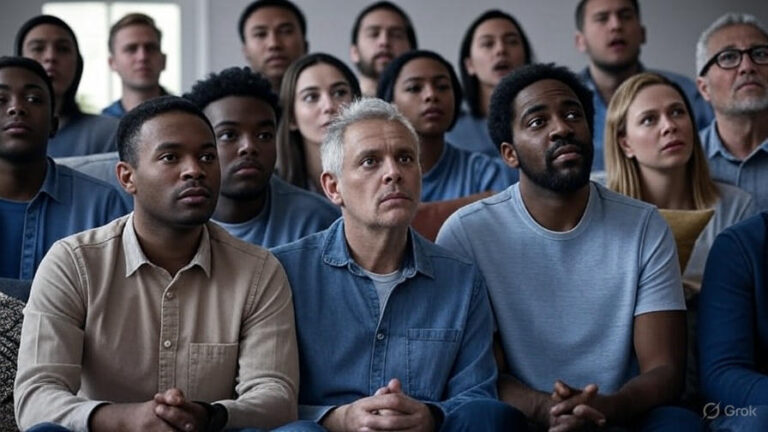
Streaming services flipped how movies, TV shows, and sports are watched. It started as a simple, cheaper option than cable, but now it feels like too much. Lots of platforms battle for attention, and each wants its own monthly payment. Experts call this subscription fatigue. The streaming craze might be cooling off because it got too big too fast. Stick around to see how this shakeup affects your screen time and budget.
The Rise of Streaming Platforms
Netflix led the way by proving that people were willing to pay for unlimited on-demand content. Its early success encouraged others to follow. Today, Disney+, Hulu, Prime Video, Apple TV+, Peacock, Paramount+, and countless niche services compete in the same space. Each wants exclusive content and loyal subscribers, but this has fragmented the market and forced consumers to make difficult choices.
Subscription Stacking and Costs
One of the main drivers of fatigue is cost. What was once a cheap alternative to cable has become just as expensive, if not more. Many households subscribe to three or more services at once to keep up with popular shows. Add in sports streaming, music subscriptions, and premium add-ons, and the monthly bill starts to resemble the cable packages streaming was supposed to replace.
The Content Overload Problem
More streaming platforms mean more content, but that doesn’t always benefit viewers. Audiences now face an overwhelming choice of shows and films scattered across different services. Popular series are locked behind exclusive deals, forcing people to subscribe or miss out. Instead of freedom, viewers often experience frustration and decision fatigue.
Piracy Makes a Comeback
Ironically, one of the original promises of streaming was to eliminate piracy by making content accessible. Now, as costs and fragmentation grow, piracy is on the rise again. Many users turn to illegal streaming sites or downloads because it’s easier than juggling five or six subscriptions. This trend highlights how the industry’s over-competition could undermine itself.
The Rise of Ad-Supported Models
To address fatigue, many platforms are shifting toward hybrid models. Netflix, Disney+, and others now offer cheaper ad-supported plans. This move helps reduce costs for viewers but brings streaming closer to the traditional TV model it was meant to disrupt. The return of ads suggests the industry is searching for balance between affordability and profitability.
Bundling as a Solution
Bundling may become the next phase of streaming. Just as cable companies once packaged dozens of channels together, streaming platforms may consolidate to reduce costs and complexity. Some services already bundle with others, like Disney+ offering packages with Hulu and ESPN+. If competition continues to strain consumers, more companies will join forces to survive.
Impact on Consumers
For viewers, subscription fatigue means making harder choices. People cancel and rotate subscriptions depending on what’s popular at the moment. This churn makes it difficult for platforms to maintain steady revenue. It also means viewers lose access to shows when they unsubscribe, reducing the sense of ownership that physical media once provided.
The Future of Streaming
The future of streaming will likely involve fewer but stronger platforms. Consolidation, mergers, and partnerships could reshape the industry into a smaller set of dominant players. Alternatively, niche platforms may survive by catering to specific interests while general platforms fight for mainstream audiences. The balance between affordability, convenience, and exclusivity will determine the winners.
Conclusion
Subscription fatigue is real, and it threatens the future of streaming. What began as a consumer-friendly revolution has turned into a crowded marketplace that mirrors the problems of cable. The platforms that adapt by reducing costs, offering bundles, or creating sustainable models will thrive. Those that ignore consumer frustration risk being left behind in an increasingly saturated industry.