Introduction
Media habits flipped completely as streaming and social media took over the spotlight. Waiting a week for the next TV episode turned into marathon Netflix binges that last all night. At the same time, people got hooked on doomscrolling—endlessly scrolling through gloomy news on Twitter, TikTok, or Reddit—and it became a new habit. These actions might seem harmless but show how digital media messes with mood, friendships, and daily routines. If figuring out how to keep online time fun and healthy matters to you, this will make you rethink how you use your screens.
What Is Binge-Watching?
Binge-watching refers to consuming multiple episodes of a TV show or even an entire season in one sitting. The rise of platforms like Netflix, Disney+, and Amazon Prime made this habit mainstream by releasing entire seasons at once. While convenient, this consumption style has created long, immersive viewing sessions that blur the line between leisure and compulsion. Instead of waiting a week for a new episode, viewers can now finish a series in a single weekend — fueling both excitement and exhaustion.
What Is Doomscrolling?
Doomscrolling is the act of endlessly scrolling through negative news or distressing content online. The COVID-19 pandemic amplified this behavior, as people turned to Twitter, Facebook, and TikTok for real-time updates. Unlike binge-watching, which often provides entertainment, doomscrolling tends to leave users feeling anxious, overwhelmed, and drained. The constant stream of alarming headlines and polarized debates makes it difficult to disconnect, even when the content impacts mental well-being.
Mental Health Effects
Both binge-watching and doomscrolling affect mental health in unique ways.
- Binge-Watching: Research shows prolonged sessions can lead to sleep disruption, eye strain, and guilt. While viewers often report enjoyment, they also experience fatigue and reduced productivity. In some cases, binge-watching becomes a coping mechanism for loneliness or stress.
- Doomscrolling: Unlike binge-watching, doomscrolling rarely provides relief. It is linked to increased anxiety, stress, and depression. Consuming too much negative news can make individuals feel powerless, creating a cycle where they continue scrolling in search of clarity but instead encounter more distressing content.
Social Behavior Shifts
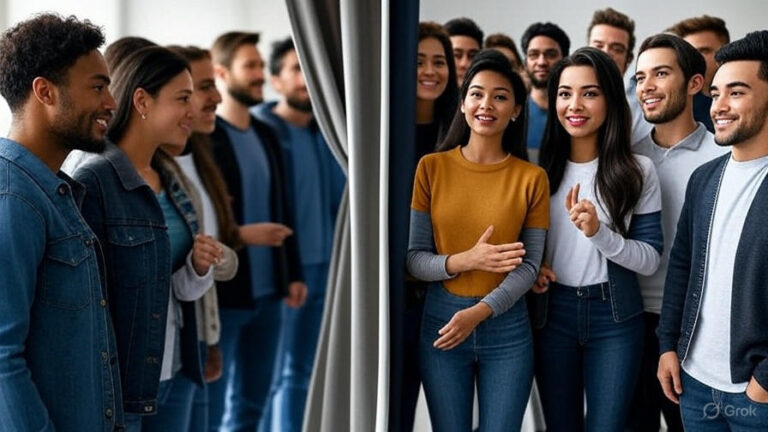
Our media habits don’t just affect us individually; they also impact how we interact socially. Binge-watching has created a shared cultural experience. Friends bond over Netflix shows, office chatter often revolves around trending series, and “spoiler culture” has become part of social etiquette.
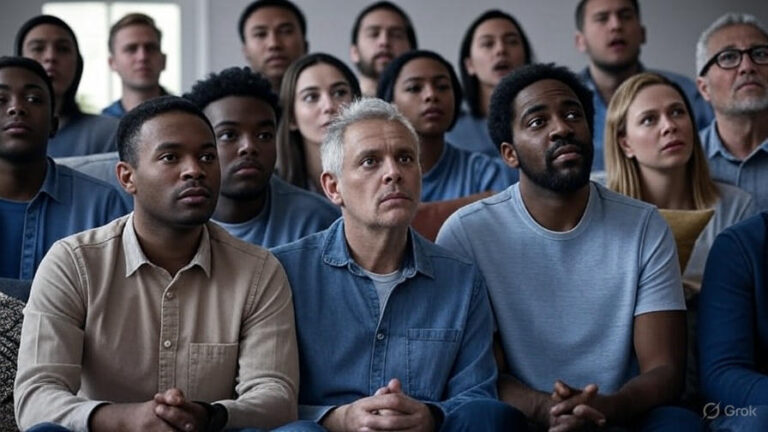
On the other hand, doomscrolling tends to be isolating. Instead of connecting with others, it often leaves users feeling withdrawn and pessimistic. Social media platforms amplify this by using algorithms that push emotionally charged content, keeping users engaged longer but often at the cost of emotional well-being.
Platforms Driving These Habits
Both habits are fueled by the platforms themselves, which are built on engagement-driven business models.
- Streaming platforms: Netflix pioneered autoplay features, where the next episode begins instantly, reducing the chance of a viewer stopping. Disney+ and Prime Video have followed suit, making it easy to lose track of time.
- Social media platforms: Twitter, TikTok, and Instagram are optimized for infinite scroll and algorithmic curation, ensuring users are constantly presented with content — especially emotional or sensational posts. These features make doomscrolling addictive, as the user keeps searching for closure or positivity in an endless feed.
How to Balance Consumption with Well-Being
The key to managing these habits is not total avoidance but mindful consumption. Here are strategies to strike a healthier balance:
- Set limits: Use timers or app restrictions to avoid hours-long binge sessions or endless scrolling.
- Prioritize quality content: Choose shows or creators that add value rather than defaulting to whatever autoplay suggests.
- Take breaks: Schedule offline activities, like reading or exercising, to break the cycle.
- Be selective with news sources: Instead of doomscrolling multiple platforms, choose one or two reliable outlets for daily updates.
- Create social connections: Watch shows with friends or join online communities to make media habits more social and less isolating.
The Future of Digital Consumption
As technology advances, binge-watching and doomscrolling will likely evolve. Streaming services may experiment with interactive content to deepen engagement, while social media may use AI-driven personalization to keep feeds even more addictive. At the same time, we may see a rise in digital wellness tools and cultural pushback encouraging people to disconnect. The conversation around mental health and media habits is growing, and future platforms may need to address these issues to maintain user trust.
Conclusion
From binge-watching to doomscrolling, modern media habits highlight the double-edged nature of digital entertainment. On one hand, they provide convenience, shared culture, and instant access to information. On the other, they can negatively impact mental health, focus, and social interactions. Recognizing these patterns is the first step to regaining control. By practicing mindful consumption and setting healthy boundaries, we can enjoy the best of digital media without letting it dominate our lives.